

Leadership Development of ITBP Commanders

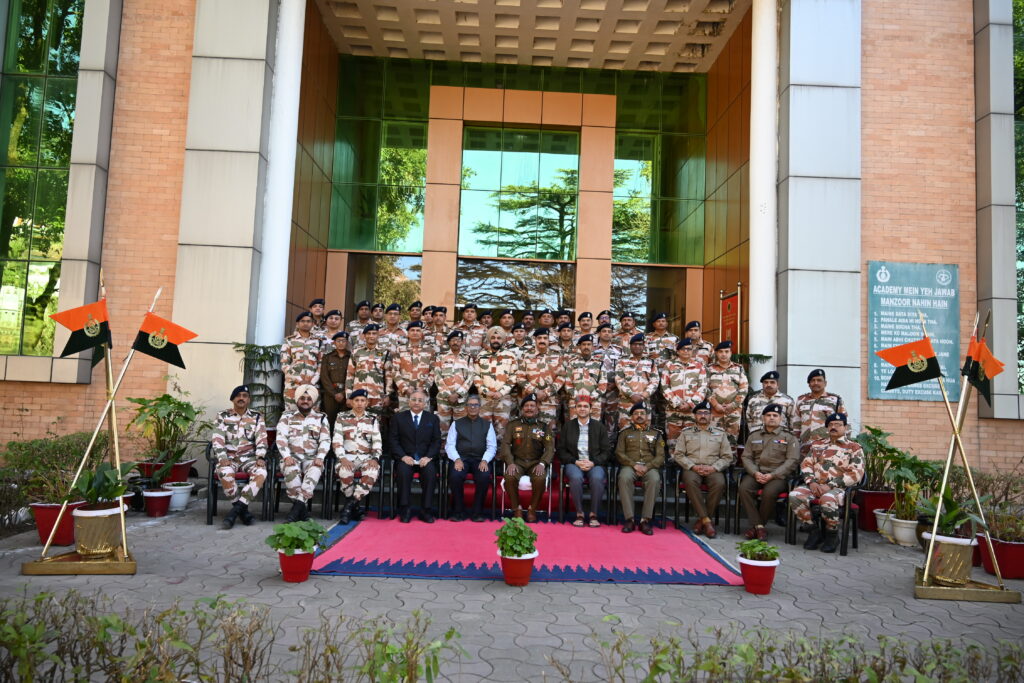
Commanders of the Indo-Tibetan Border Police (ITBP) stand at a unique intersection of operational excellence, strategic responsibility, and human complexity. The recent series of four highly customized sessions conducted by Prof (Dr) (Capt) Vikas Rai Bhatnagar for senior ITBP commanders created a powerful reflective space to examine this intersection in depth. These were not routine training events but carefully curated leadership laboratories.
Context and intent
The programme was crafted specifically for the ITBP context, acknowledging the force’s demanding operational environment, high-altitude deployment realities, and continuous exposure to uncertainty. Instead of generic leadership inputs, the design focused on commanders’ lived experience – their current challenges, recent decisions, and emerging responsibilities as strategic leaders of a high-stakes force.
Each session was anchored in the spirit of action research: inquire into real issues, reflect collectively, generate insight, and translate that insight into concrete leadership experiments on the ground. Prof (Dr) (Capt) Vikas Rai Bhatnagar positioned the commanders not as passive recipients of knowledge but as co-researchers into the question, “What does exemplary command look like in today’s security and societal context?”
Inside the four sessions
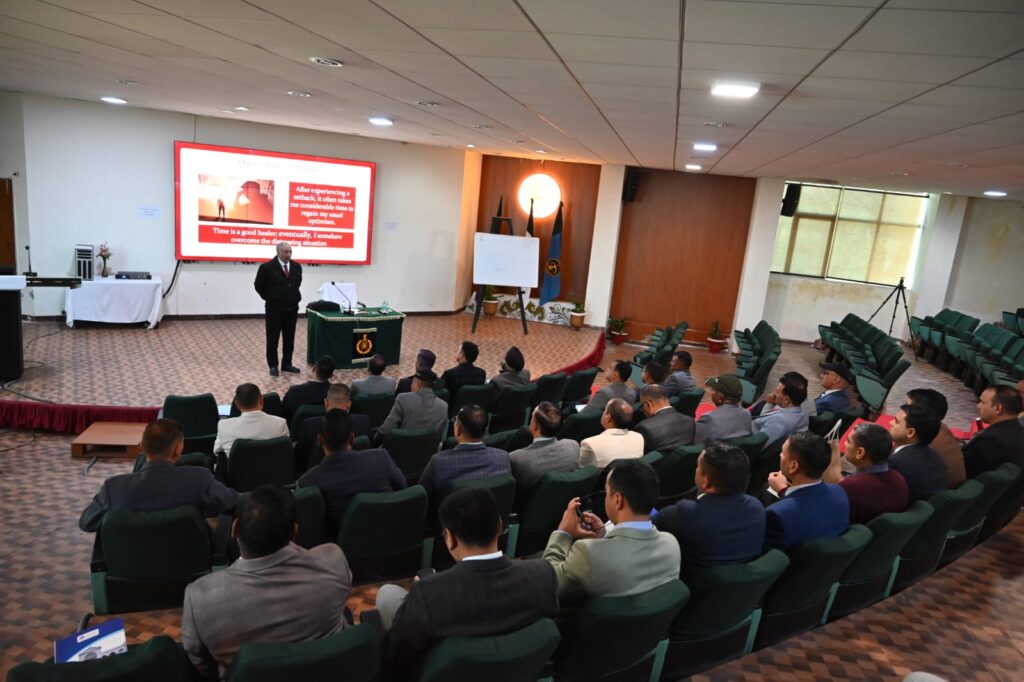
Across the four sessions, Prof Bhatnagar blended systems thinking, organizational behaviour, and field-driven reflection in a way that spoke directly to the commanders’ realities. Discussions moved fluidly from strategic vision to everyday unit culture, from managing paradoxes to building trust and psychological safety in tough terrains.
The sessions encouraged participants to surface the “silent variables” of command: morale, meaning, ethics, invisible stress, informal influence, and the subtle dynamics of trust between leaders and their teams. Through cases, robust dialogue and reflective exercises, commanders examined how their own mindsets, language and micro-behaviours shape performance, cohesion and resilience at the front lines.
A different kind of leadership conversation
One of the most appreciated aspects of the series was its deeply customized and dialogic nature. Rather than offering textbook models, the conversations drew from ITBP’s own stories, dilemmas, and aspirations, allowing commanders to see themselves and their units in the mirror of collective reflection.
The sessions created a safe yet challenging environment where questioning, reframing, and unlearning were as important as acquiring new tools. This made the engagement less about “training hours completed” and more about “leadership shifts initiated” – a distinction that senior officers recognized and valued.
From insight to action
True to the ethos of action research, the series did not end with inspiring discussions alone. Each commander was encouraged to leave with a set of small but significant action commitments – experiments in communication, team dialogue, feedback, reflection practices, and culture-building to be implemented in their own formations.
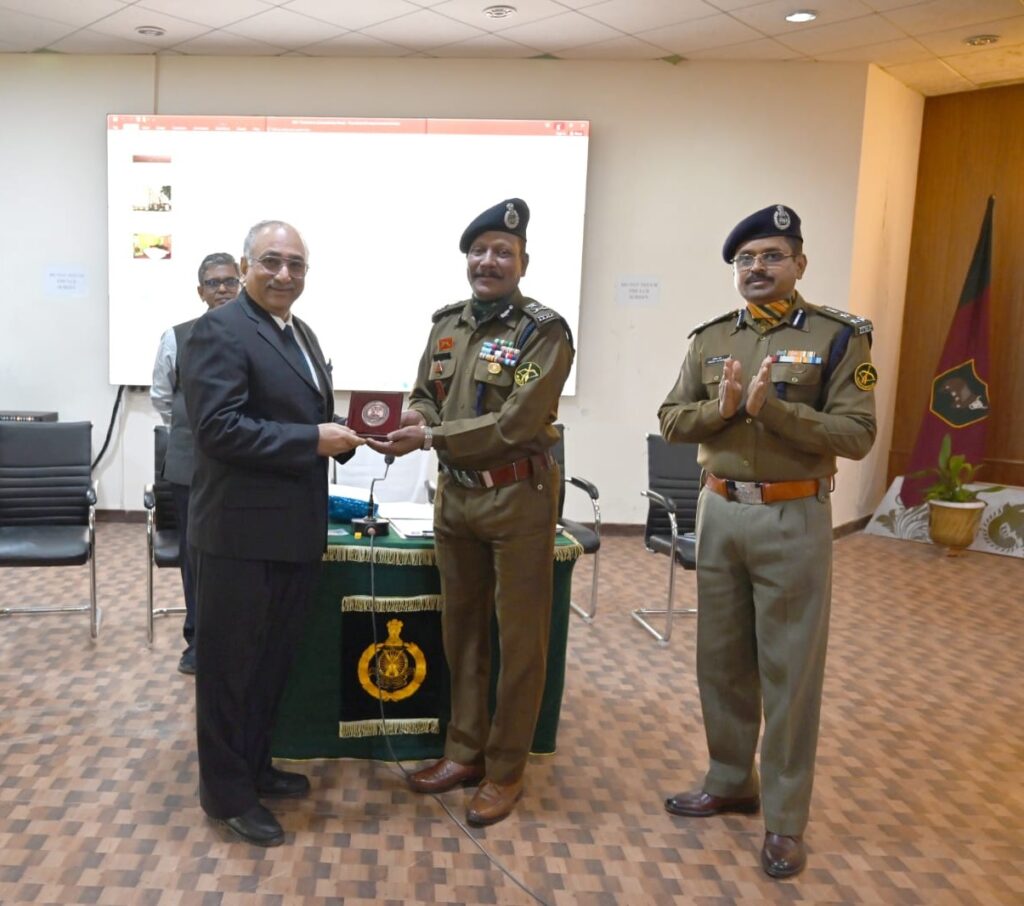
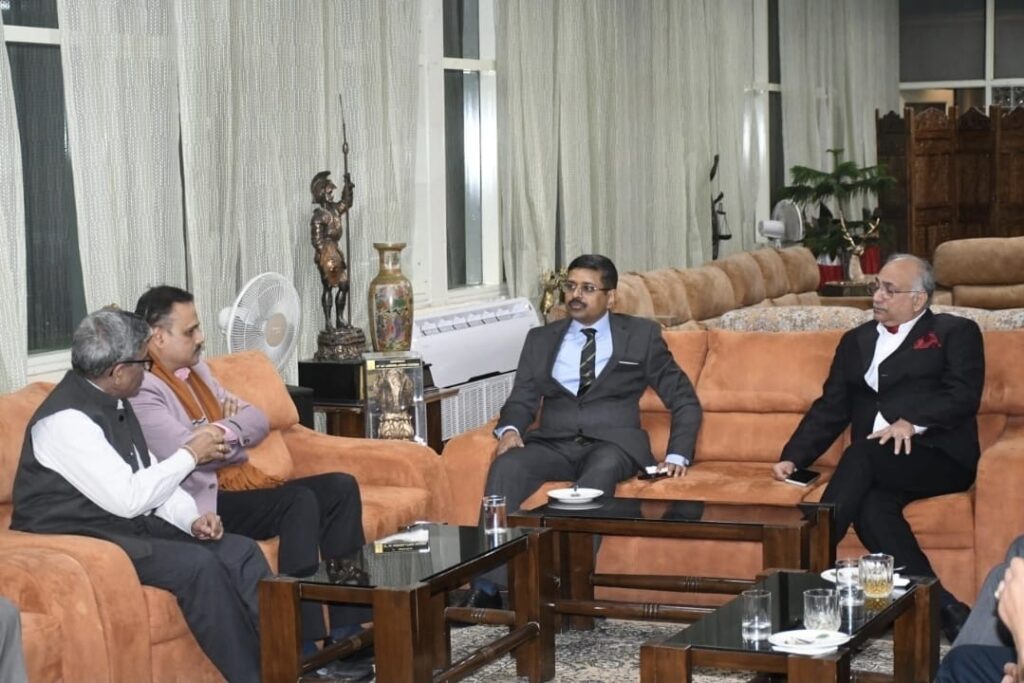
The capstone was a memorable social evening that transcended formal sessions, providing an invaluable occasion for candid exchanges over shared meals and stories; it unveiled ITBP’s core strategic priorities—from border resilience and personnel welfare to adaptive leadership in volatile terrains—while forging personal bonds that set a robust stage for enduring future collaborations, promising amplified impact through joint action research initiatives and sustained leadership evolution